
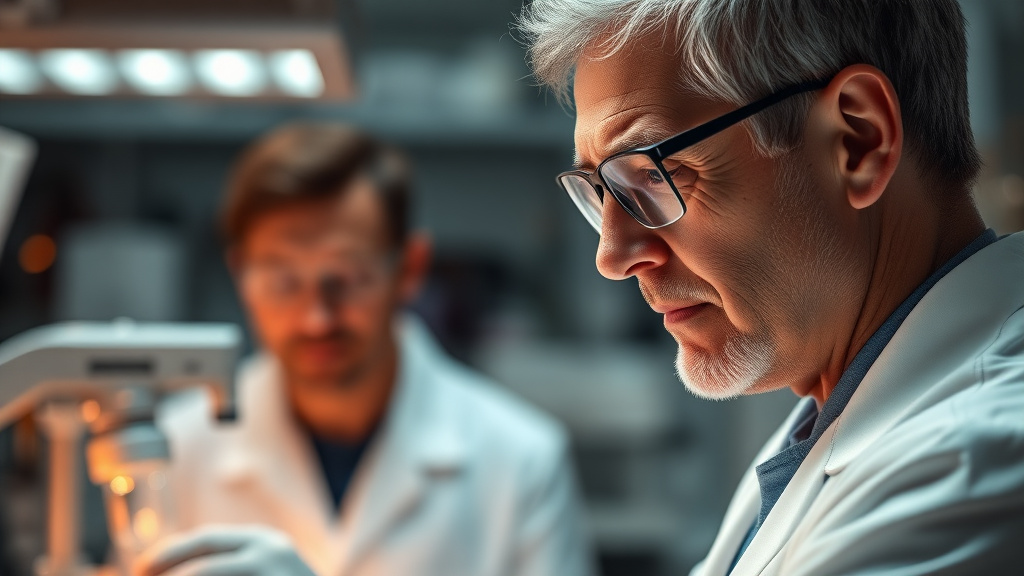
In a landmark discovery that could transform medicine and extend human lifespan, scientists have revealed a promising new method to reverse aging at the molecular level. Researchers have discovered a technique capable of rejuvenating aged human cellular tissue, potentially revealing the secrets to prolonging youth and addressing age-related diseases. This article explores the novel breakthrough, assessing how scientists accomplished this remarkable feat, the mechanisms underlying the process, and what this progress means for the prospects in anti-aging medicine and human longevity.
Breakthrough in Cellular Rejuvenation
Scientists have successfully demonstrated a groundbreaking method that slows cellular aging in human cells, representing a major breakthrough in tissue restoration. This landmark finding involves restoring cellular youth to regain youthful function and functionality. The research team leveraged sophisticated molecular and genetic methods to pinpoint and regulate particular cellular mechanisms responsible for aging. Their evidence demonstrates that cellular aging is not irreversible, opening unprecedented possibilities for addressing age-related conditions and increasing years of good health.
The implications of this breakthrough extend far beyond laboratory experiments, as the methodology demonstrates potential for practical clinical applications. Researchers found that cells that received treatment showed restored mitochondrial function, strengthened DNA repair systems, and increased cellular energy generation. These restored cells demonstrated markers commonly linked to tissue that is younger and healthier. The success of this approach offers strong evidence that the aging process can be therapeutically targeted, possibly reshaping how clinicians treat age-related diseases and offering new hope for individuals with age-related diseases.
How the Latest Technique Functions
The groundbreaking technique focuses on reprogramming cellular DNA through precise genetic engineering and cellular communication pathways. Scientists use engineered protein molecules called Yamanaka factors to reset the aging clock within cells, fundamentally restoring them to a younger cellular state. This process involves precisely regulating genetic expression sequences that accumulate damage over many years. By awakening inactive repair mechanisms, researchers can effectively reverse the cellular damage associated with aging while maintaining the cell’s inherent function and characteristics.
The technique leverages advanced CRISPR gene-editing technology integrated with epigenetic modifications to deliver impressive findings. Researchers discovered specific molecular markers that distinguish young cells from aged ones, then developed a protocol to reverse these markers without causing cellular damage. The method operates by modulating histone modifications and DNA methylation patterns, the molecular markers that regulate which genes are turned on or off. This careful methodology demonstrates that aging is not unchangeable, providing significant promise for regenerative medicine applications.
Implications and Emerging Applications
The significance of this cell renewal breakthrough go well past basic research, offering transformative applications in regenerative medicine and clinical therapies. If properly adapted for clinical practice, this method could fundamentally change how physicians approach age-related diseases such as Alzheimer’s, Parkinson’s, and cardiovascular conditions. The potential to reverse cellular aging opens remarkable prospects for creating preventive therapies that address the root causes of aging rather than simply treating symptoms, fundamentally reshaping our approach to healthcare and disease prevention strategies.
Future uses of this technology span diverse healthcare sectors, from aesthetic skin treatment to transplant procedures and tissue engineering. Researchers project employing this cellular reversal technique to regenerate damaged tissues, return organs to normal function, and potentially extend healthy human lifespan. The method could enable the development of customized age-reversal treatments adapted for individual genetic profiles, maximizing efficacy while minimizing side effects. Additionally, this breakthrough may support the production of fresher, healthier transplant tissues for transplantation, substantially enhancing transplant success rates and patient outcomes worldwide.
While significant clinical trials and regulatory approvals remain essential before broad deployment, the scientific community remains optimistic about this technological promise. Sustained research investment and multi-disciplinary cooperation will speed up the shift from laboratory discoveries to real-world medical uses. As scientists enhance these approaches and resolve lingering issues, society must concurrently participate in moral conversations regarding equal access and appropriate use. This discovery represents a pivotal moment in medical advancement, poised to transform longevity medicine and fundamentally transform human health outcomes for generations to come.
